


Posted by:
Category:
Comments:
Post Date:
5 Warning Signs Your Power Factor Capacitor Bank is About to Fail
30 Second Summary
- Excessive heating can lead to material degradation and a shortened lifespan of the capacitor bank.
- Unusual noises like buzzing, hissing, or popping indicate internal electrical issues.
- Fluctuating or low voltage levels suggest the capacitor bank isn’t functioning properly.
- Frequent circuit breaker trips could signal short circuits or internal failures.
Introduction
Power factor capacitor banks play a crucial role in maintaining a balanced electrical system by improving the power factor, ensuring that electrical energy is used efficiently. However, like all mechanical and electrical equipment, they are susceptible to wear and eventual failure. In this article, we will explore 5 warning signs your power factor capacitor bank is about to fail. Early detection of these symptoms is essential for timely repairs and avoiding unnecessary costs.
The Importance of Power Factor Correction
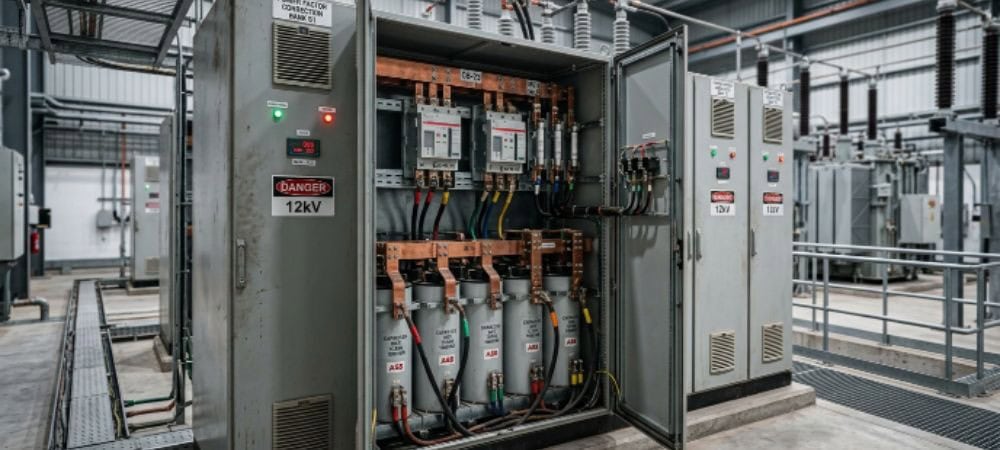
Before we dive into the warning signs of capacitor bank failure, it’s important to understand the role of PFC capacitors (power factor correction). A capacitor bank is designed to offset reactive power in an electrical system, reducing losses and improving voltage stability. By doing so, the system runs more efficiently, which leads to reduced energy consumption and cost savings.
When a capacitor bank is functioning properly, it helps to maintain optimal power factor levels. However, capacitor bank failure causes can affect the entire system's performance. Let's now discuss the signs that could indicate your capacitor bank is about to fail.
What Causes a Capacitor Bank to Fail?
Capacitor bank failure often stems from several causes, including environmental factors, overload, and poor maintenance. The most common capacitor bank failure causes include:
- Overvoltage conditions: When the voltage exceeds the rated capacity of the capacitor, it can cause irreversible damage.
- Overheating: Prolonged operation under high temperatures can degrade the capacitor material, leading to failure.
- Poor power factor correction maintenance: Lack of regular inspections and servicing can result in the gradual breakdown of components.
- Electrical faults: Short circuits or electrical spikes can damage the capacitors.
Understanding these causes is crucial for preventing failure and prolonging the life of your capacitor bank.
Warning Signs Your Power Factor Capacitor Bank is About to Fail
Sign 1: Excessive Heating
One of the first signs of a failing capacitor bank is excessive heating. Capacitors are designed to operate within a certain temperature range. If they begin to overheat, it can lead to the degradation of the dielectric material inside the capacitors. Prolonged exposure to high temperatures will shorten their lifespan and eventually cause complete failure. Keep an eye on the temperature of your capacitor bank, and make sure it stays within safe operational limits.
Tip: Check for hotspots around the bank and ensure proper ventilation in the area.
Sign 2: Unusual Noise from the Capacitor Bank
A healthy capacitor bank should operate silently. However, when capacitors begin to fail, they may produce a buzzing, hissing, or popping noise. This is typically a result of internal electrical arcing or the breakdown of the capacitor’s internal components. These noises are not normal and should be addressed immediately to prevent further damage.
Tip: If you notice strange sounds coming from the capacitor bank, it’s best to shut down the system and conduct a thorough inspection.
Sign 3: Reduced Voltage Levels
If you start experiencing low or fluctuating voltage levels in your electrical system, it could be a sign that your capacitor bank is failing. Capacitors regulate voltage, and when they fail, they can no longer perform this function effectively. The result is unstable voltage, which can lead to poor performance of electrical equipment.
Tip: Install voltage monitoring systems to detect fluctuations early, helping prevent further damage.
Sign 4: Discharge Imbalance
Capacitor banks consist of multiple units that work together to correct the power factor. If one or more capacitors in the bank fail, it can cause an imbalance in the discharge process. This imbalance can be easily detected through increased current in the system, which can lead to damage to the surrounding power factor correction components.
Tip: Regularly check the current balance across all capacitors and ensure they are operating within the required specifications.
Sign 5: Frequent Circuit Breaker Trips
One of the more obvious capacitor bank failure signs is the frequent tripping of circuit breakers. This occurs when the capacitor bank draws too much current due to internal failure or short-circuiting. If your circuit breaker trips more often than usual, it’s a clear indicator that there’s an issue with your capacitor bank that needs immediate attention.
Tip: If you notice repeated trips, conduct a detailed inspection and consult with an expert technician.
Power Factor Correction Maintenance
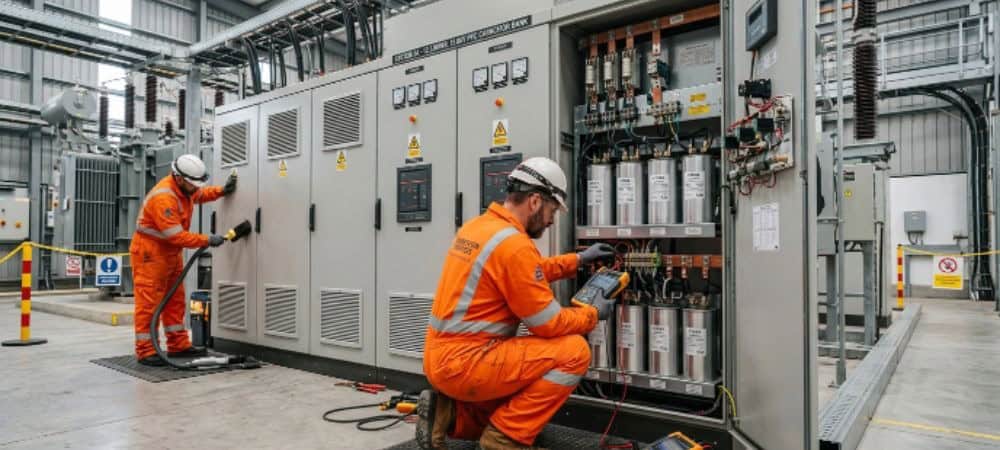
Maintaining your power factor correction system is essential to avoid failures and extend the life of your equipment. Regular maintenance involves inspecting capacitor banks, cleaning the units, and checking for signs of wear and tear. Neglecting this maintenance can lead to costly repairs and downtime.
Here are some key maintenance tips:
- Regular inspections: Ensure that all components are intact and functioning properly.
- Monitor power factor levels: Check that the system is delivering the expected power factor correction.
- Clean the system: Dust and debris can interfere with the operation of the capacitor bank. Clean it regularly to avoid malfunctions.
- Test components: Periodically test individual capacitors to detect early signs of failure.
By following a proactive maintenance schedule, you can prevent many of the common capacitor bank failure causes and ensure smooth operation.
Conclusion
In conclusion, recognizing capacitor bank failure signs early can save you time, money, and prevent unnecessary downtime. Keep an eye out for excessive heating, unusual noises, voltage fluctuations, discharge imbalances, and frequent breaker trips. Additionally, regular power factor correction maintenance can ensure that your capacitor bank continues to perform at its best.
If you need expert advice or assistance with your capacitor bank maintenance, visit GoSwitchgear today for more information and services to ensure your power system remains efficient.
FAQs
Q1: What causes a capacitor to fail?
Capacitors can fail due to overvoltage, overheating, electrical faults, and poor maintenance. Regular inspections can help detect early signs of failure.
Q2: How do capacitor banks work?
Capacitor banks correct the power factor by supplying reactive power to the electrical system, which improves efficiency and voltage stability.
Q3: How can I prevent my capacitor bank from failing?
Routine inspections, regular maintenance, and proper environmental conditions are key to preventing failure. Monitor voltage and current to detect issues early.
Q4: What is power factor correction?
Power factor correction involves using devices like capacitor banks to balance reactive power, improving energy efficiency, and reducing power losses.
Share this post

Related
Posts
The Ultimate Guide to Industrial Panel Sockets and Wall Sockets for UAE Workspaces & Heavy-Duty Sites
A socket that works in a clean office may fail quickly on a workshop floor, generator panel, warehouse loading bay,...

Wire Connectors for Downlights & LED Strips: A UAE Fit-Out Guide (2026)
Which KableKonnect PCT connector for downlight chains, driver-fed clusters, LED strip runs and ceiling roses. Featuring the SPL deconcentrator range...

Electrical Wire Connectors in Dubai: A Panel Builder’s Sourcing Guide (2026)
What actually costs what for electrical wire connectors in Dubai — WAGO vs KableKonnect PCT alternatives, MEP spec compliance routes,...

WAGO 221 vs WAGO 222: Which Lever Wire Connector Do You Need? (2026 UAE Guide)
The 221 splices multiple wires from one side. The 222 passes a run through, in on one edge, out the...
.jpg)